⏱️ Do It Now
Create a OneNote Page and copy this into the title:
Lesson 4 - Summer 1 - Sound
Copy this into a OneNote Page and complete it
|
📝 Do It Now |
|
Answer each of the following: (1) Explain what a pixel is and how it works.
(2) A 3 byte binary number is used to represent the colour of each pixel. What does each byte of the binary number represent?
(3) What is this colour? #00FF00
|
|
Extension Question: Discuss the benefits and the limitations of reducing the colour-depth of an image.
|
🎯 Learning Objectives
- LO1: Be able to outline the properties of sound waves
- LO2: Be able to describe the process of sampling a sound file
- LO3: Be able to explain the number of bits per sample and how many samples are recorded per second
📖 Everybody Reads
Sound Waves
Sound waves are essentially vibrations in the air, that travel outward from their source to our ears.
The vibrations affect the air pressure around them and it is this difference in air pressure that is picked up by our ear drums or by a microphone.

📖 Everybody Reads
Amplitude and Frequency
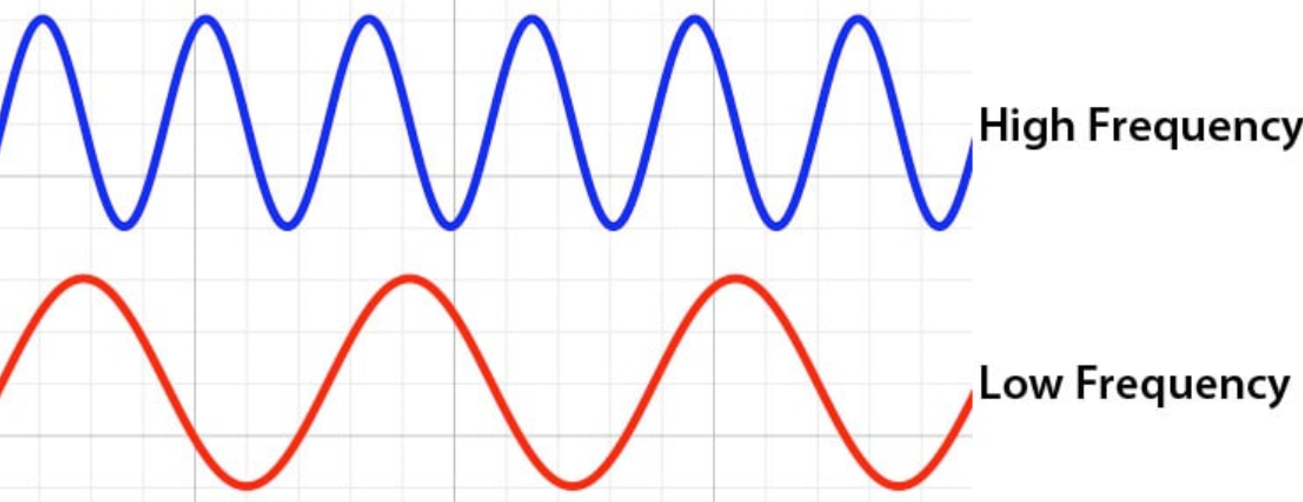
The frequency of a sound wave is how many waves occur per second. Low frequencies generate a low pitch and high frequencies generate a high pitch.
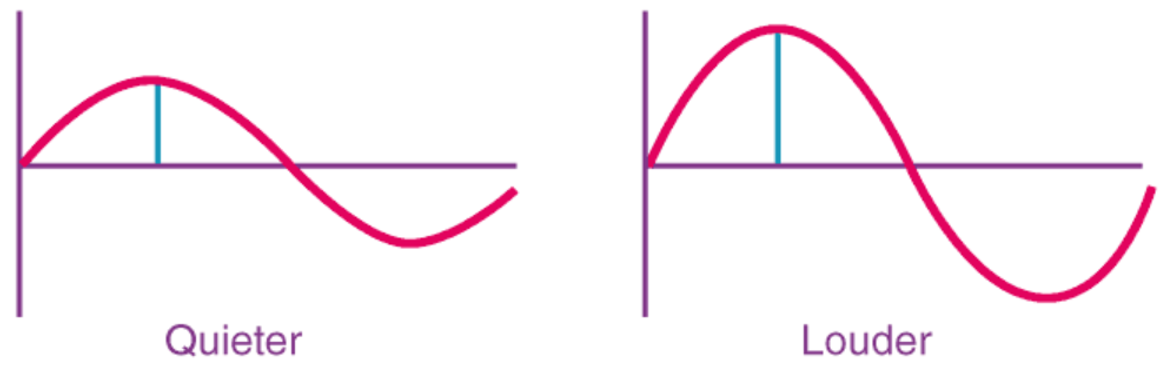
The amplitude of a sound wave is the size of the individual waves. A high amplitude sound wave is loud and a low amplitude sound wave is quiet.
📝 Activity
Amplitude and Frequency Generator
(1) Experiment with different frequencies and amplitudes.
(2) Using several screenshots of the wave generator to help you, outline what the frequency and amplitude of a sound wave are.
Interactive Sine Sound Wave
📝 Written Activity
Copy this into your OneNote Page and complete it
|
📝 Amplitude and Frequency |
|
Instruction:
|
📖 Everybody Reads
Sampling Sounds
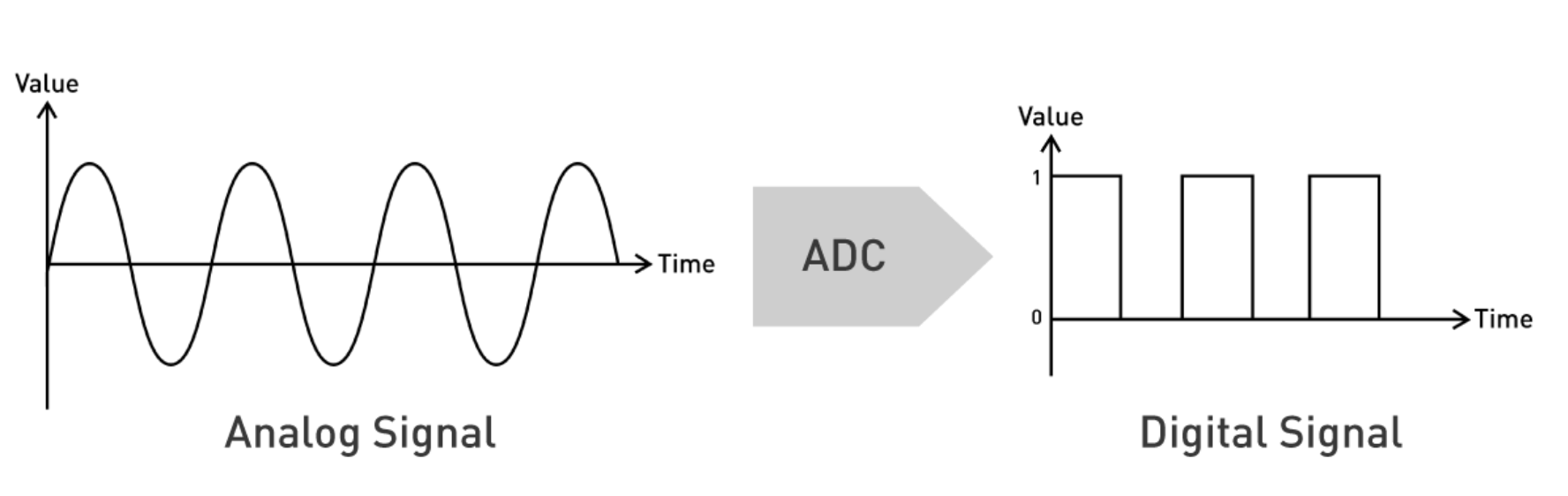
When sound is recorded by an electronic device (computer, phone, tablet) it is converted into 1s and 0s by a special device called an analogue to digital converter (ADC for short).
📖 Everybody Reads
How The ADC Works
The ADC takes regular samples (readings) of the amplitude and stores these as 16 bit binary numbers
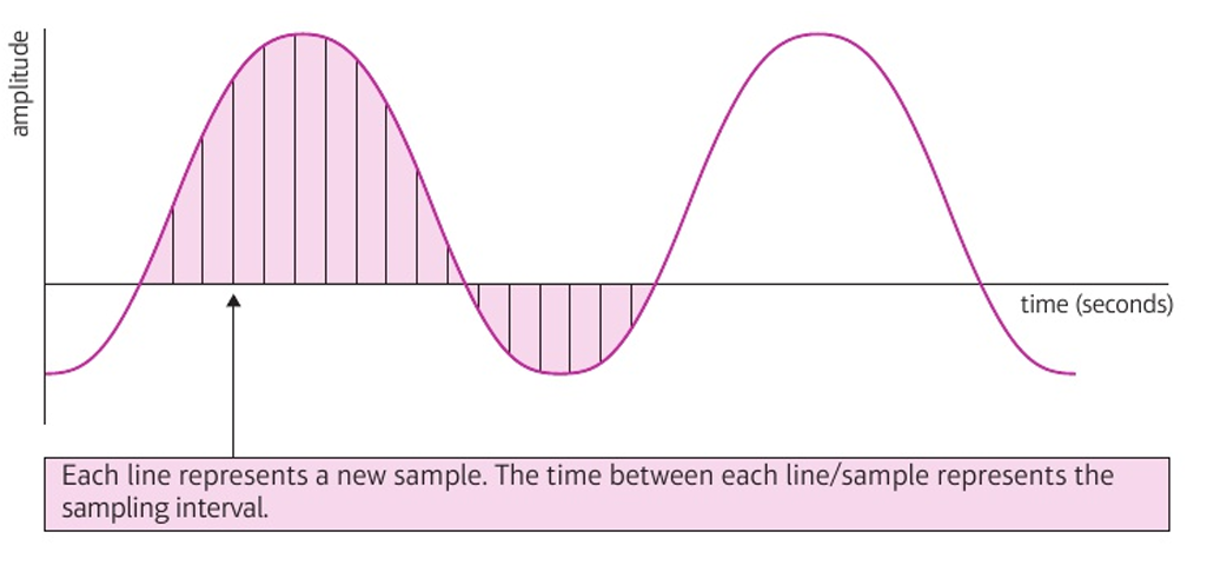
The standard sample rate(how many samples are recorded per second) is 44.1 kilohertz. This means 44,100 samples are recorded per second!
🔎 Practical Demonstration
Example of Audacity
Your teacher will demonstrate samples by using Audacity
If you are working independently, please watch this video
🎥 Audacity Demonstration📝 Written Activity
Copy this into your OneNote Page and complete it
|
📝 How sound is recorded |
|
Instruction:
|
Plenary Activity
|
📝 MWB Reflection Task |
|
Open the mini-whiteboard app in a new tab Your teacher will start with these leading questions:
|